
New sod, or renovating a tired lawn back to health — with an honest conversation first about which one you actually need.
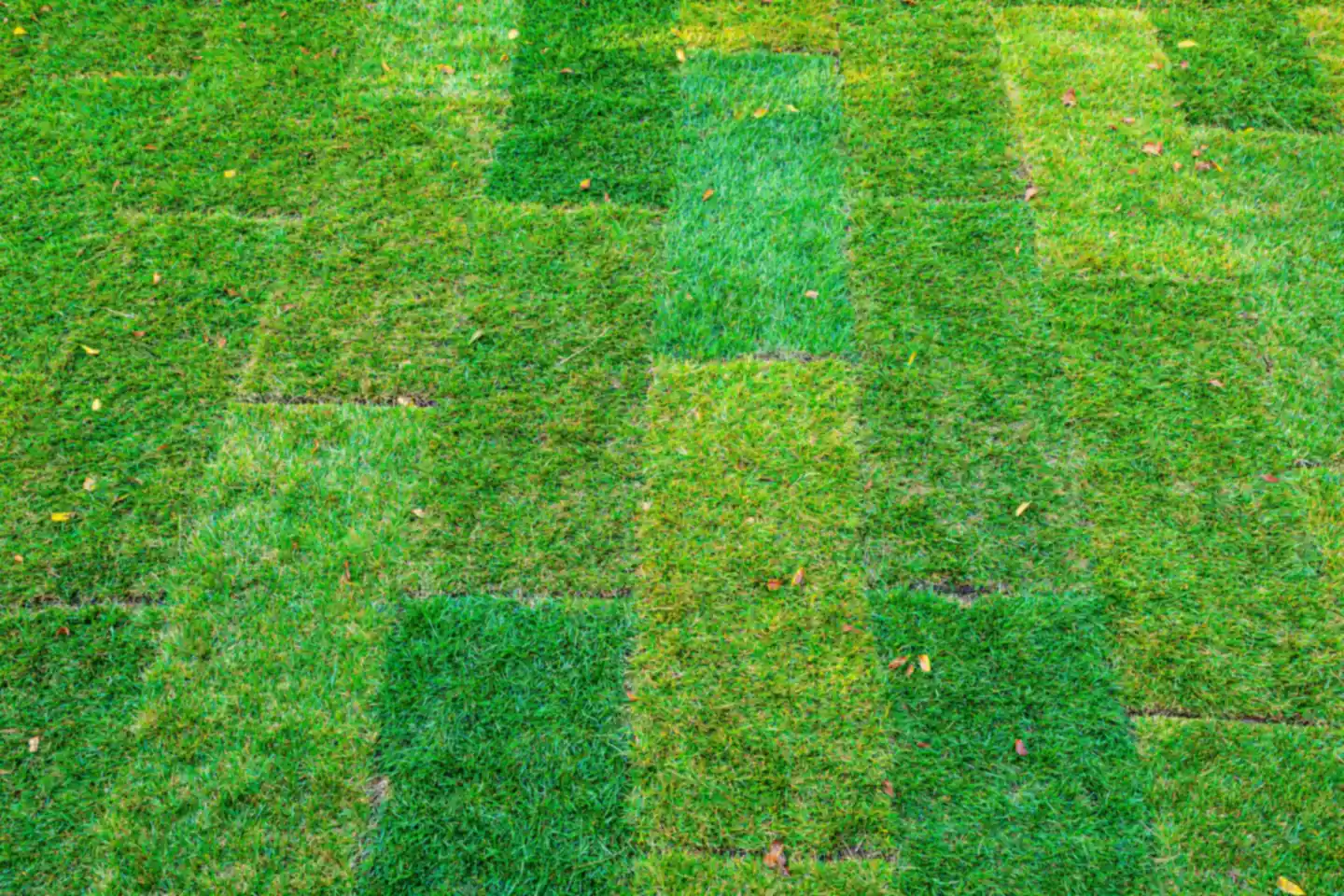
Sod is the fastest way to get a lawn and it is not always the right answer. A thin lawn that still has decent turf across most of it will usually respond better and far more cheaply to aeration and overseeding than to being stripped and replaced. Sod makes sense when the existing lawn is gone, when there is bare graded ground, or when you need a finished result immediately.
Renovation: the cheaper answer, usually
For most tired Bucks County lawns the sequence is: work out why it is thin, then fix that, then core aerate, then overseed heavily with a good cool-season blend, then feed. Early fall is the correct window — warm soil, cool air, and crabgrass no longer competing for space.
Working out why it is thin is the part that gets skipped. Shade from trees that have grown thirty years since the lawn went in. Compaction from clay and foot traffic. Grubs. Drainage. A pH that has drifted acidic, which happens readily in this region and quietly starves the grass of nutrients that are physically present in the soil. Reseeding without addressing the cause buys you one good season.
When sod is the right call
- New construction, or ground that has just been graded.
- A lawn that is more weed and bare soil than grass.
- Erosion on a slope that needs holding immediately.
- Selling the house, and needing it to look finished now.
- Repairing specific areas — sod can be patched into a seeded lawn perfectly well.
How we install it
The preparation decides the outcome. Old turf and debris off, soil loosened rather than laid onto compacted clay, graded so water runs away from the house, amended where the soil needs it, and starter fertilizer down before the sod goes on. Then rolls laid tight with staggered joints, rolled to get root contact, and cut in cleanly at the edges.
Then the part that is your job: water. New sod needs to stay consistently damp for the first two weeks or the roots never knit into the soil beneath, and the most common way a sod job fails is underwatering in week one. We will give you a written schedule and we will be blunt about it, because it is the difference between a lawn and an expensive mistake.
What We Promise On Every Job
- We answer the phone. Miss us and you hear back the same day.
- Written estimate within one business day of walking your property.
- A message the day before every scheduled visit.
- Something not right? We come back — no argument, no charge for the trip.
Common questions
Sod or seed?
Seed is far cheaper and, given a good fall window, produces an excellent lawn. Sod is instant, holds slopes, and can go down outside the ideal seeding window. If your lawn is thin rather than dead, we will usually recommend aeration and overseeding instead — it costs a fraction as much.
When can I walk on new sod?
Lightly after about two weeks, normally once it has rooted enough that a corner will not lift. Keep heavy traffic and pets off it for the first month.
How much water does new sod need?
A great deal, daily, for the first two weeks. We will write the schedule down for you. This is the single most common reason new sod fails.
When is the best time to lay sod?
Spring and early fall are ideal. Midsummer is possible but the watering demand becomes serious.
Can you fix just the bare patches?
Yes — patching with sod or seed is routine and much cheaper than doing the whole lawn.
Tell us about your property
Find out which one you need
Free assessment — and if aeration and overseeding will do it, we will tell you that rather than selling you sod.
Often needed alongside this
We work Bucks County only, within about twelve miles of Langhorne, including Levittown, Fairless Hills, Langhorne, Penndel and Morrisville. See every town we serve →